

Яка різниця між склом і кришталем?
If you're planning a full course meal for an elegant event or looking to add a sophisticated touch to a romantic dinner, you may find yourself headed to the china cabinet to pull out the good crystal. Crystal glass has long been associated with high-end dining, but why is it considered more luxurious than standard glass? Below we'll clarify the difference between crystal and glass to help you set the table for your next event.
Кристал проти скла
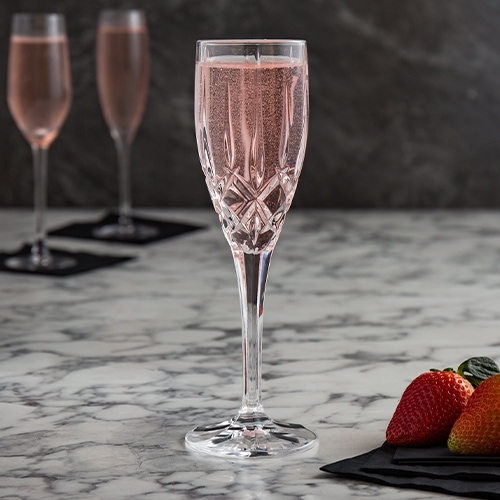
When comparing glass vs crystal, crystal is a type of glass that contains strengthening minerals like lead-oxide, potassium carbonate, and silica to make the material durable. The added strength allows the crystal to be molded into thin, delicate shapes. Standard glass is usually made with sand, soda ash, and limestone, making it durable but unable to be molded as thin as crystal. Crystal is also able to refract light while glass will typically lack that ability, making crystal more sought out for formal table settings and more expensive than glass.
Що таке скло?
Скло - це прозорий матеріал, який можна розплавити і сформувати в тверді форми. Він виготовлений з піску, кальцинованої соди та вапняку, але можна додати інші мінерали, такі як кремнезем і барій, щоб керувати його кольором, довговічністю та товщиною.
Glass with a low mineral count is non-porous, which makes glass dishwasher safe and heat-resistant. Some popular types of glass used in public settings are borosilicate glass, commonly used for glass food storage containers, and fuzed quartz glass used for camera lenses and lab equipment.
Що таке кристал?
Кришталево скло – це прозорий матеріал, виготовлений з тих самих інгредієнтів, що й скло, але з додаванням оксиду свинцю-або оксиду металу-. Додаткові інгредієнти дозволяють кристалу зберігати свою цілісність навіть при розрізанні або роздуванні. Додані інгредієнти в кришталеве скло роблять матеріал злегка пористим, надаючи йому здатність блискуче заломлювати світло. Однак це також означає, що матеріал не можна мити в посудомийній машині.
Crystal виробляють компанії по всьому світу, і його можна виготовляти з різним вмістом оксиду свинцю{0}}. На відміну від назви, кришталеве скло насправді не містить кристалічної структури у своїй речовині. Назва походить від італійського терміна "Cristallo", який використовувався для високоякісного-ручного-дувного скла в Мурано, Італія. Його асоціація з витонченістю робить кришталь бажаним і дорожчим за скло.
Відмінності скла від кришталю
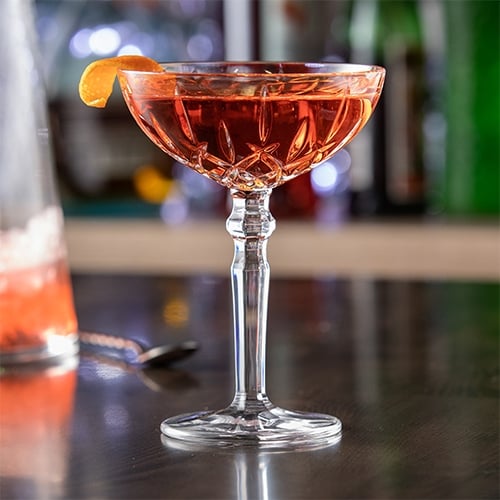
Скло і кришталь виготовляють шляхом нагрівання в печі до розплавлення. Потім вони видуваються склодувом і формуються в потрібний дизайн. Однак ці два матеріали мають різні відмінності, від їхнього хімічного складу та ваги до того, як вони заломлюють світло та відбивають звук. Нижче ми уважно розглянемо їх відмінності, щоб пояснити, чому кришталь має вищу ціну.
Відмінності у зовнішньому вигляді
Glass: Glass is often slightly foggy in appearance and can typically feature a tint based on the ingredients in its composition. It can have a green tint if made with iron or a blue tint if made with soda-lime.
Crystal: Crystal boasts incredible clarity, which makes it a desirable choice for high-end glassware and decorations.
Різниця у вазі
Glass: Glass is lighter in weight in comparison to crystal pieces of the same design.
Crystal: Because crystal contains lead or other metals, it tends to be heavier in weight than standard glass of the same design.
Різниця товщини
Glass: Due to the soda-lime in its chemical composition, glass requires a high working temperature and hardens rather quickly after being heated, which results in a thick rim. The material is more fragile than crystal so most cup rims will be reinforced for added strength.
Crystal: Crystal can be heated at lower temperatures than glass because of the lead and potassium carbonate in the composition. This allows for the glassblower to more easily work the material and make it thin. The additional chemicals also help the material to remain strong while being stretched further than glass.
Вирізати відмінності
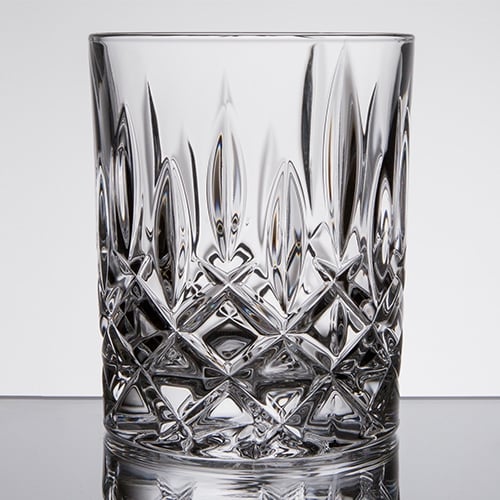
Glass: Since glass hardens more quickly than crystal, it offers little time to be cut by hand. The material is generally too hot to manage with gloves so glass is typically bent into shape while hot or blown into a mold. Any cuts on the surface are usually sharp, rigid, and brittle.
Crystal: Since crystal is strengthened by its minerals, it is soft enough to add smooth hand-cut details to its surface without compromising its durability. The material is more malleable than glass, allowing the artist to add intricate patterns. The cuts can then be buffed and polished without fear of shattering the structure.
Відмінності рефракції
Glass: Glass has very little metal content, which means that light will pass through like a windowpane without refracting. The soda-lime in glass lacks retracting abilities.
Crystal: Because of the lead and metal content in crystal, the material can refract light that passes through it in the right position. Light disperses from crystal in a rainbow hue, making the material desirable for decorations and tableware.
Звукові відмінності
Glass: Glass provides a dull chime when tapped or flicked. The sound is usually short in length and subtle.
Crystal: When tapped, crystal creates a satisfying bell-like ringing sound. The lead content in the material allows the sounds to be slightly prolonged.
Переваги
Glass: Glass tableware is a great option for everyday use because it is made thick and durable. It can be put in the dishwasher for easy cleanup and has a reinforced rim to prevent chips and cracks.
Crystal: Crystal glass refracts light beautifully, glinting light into rainbows. This makes it an excellent choice for cups, bowls, vases, champagne flutes, chandeliers, and ornaments. It can also be molded thin, which means that wine glasses can have a thin rim, providing an uninterrupted flow of wine. Crystal is also popular at weddings because of the ringing noise it makes when glasses are clinked.


